.png)
Mobile-First vs Traditional Car Shopping: Which Converts Better in 2025? (Spoiler: It's Hybrid)

Updated: Oct 23, 2025
By joseph@whipstechnologies.com
You're scrolling through cars on your phone during lunch. Three swipes in, you find something that makes your heart skip, the exact color, the right price, even that specific trim level you've been dreaming about. But then reality hits: you still need to visit a dealership, haggle with a salesperson, and navigate the same old song and dance.
Here's the thing everyone's discovering in 2025: the future of car shopping isn't mobile-first OR traditional. It's both, working together like a perfectly tuned hybrid engine.
The Mobile Revolution Isn't Coming, It's Here
Let's cut to the chase with some numbers that'll make your head spin. Mobile devices now handle 1 out of every 2 Google searches related to cars. That's not a trend, that's a complete shift in how people discover, research, and even buy vehicles.
But here's where it gets interesting: 80% of the entire car buying journey now happens on smartphones, computers, and tablets. We're talking about 19 out of 24 customer touchpoints being digital. The old "kick the tires" approach? It's been replaced by "swipe the specs."
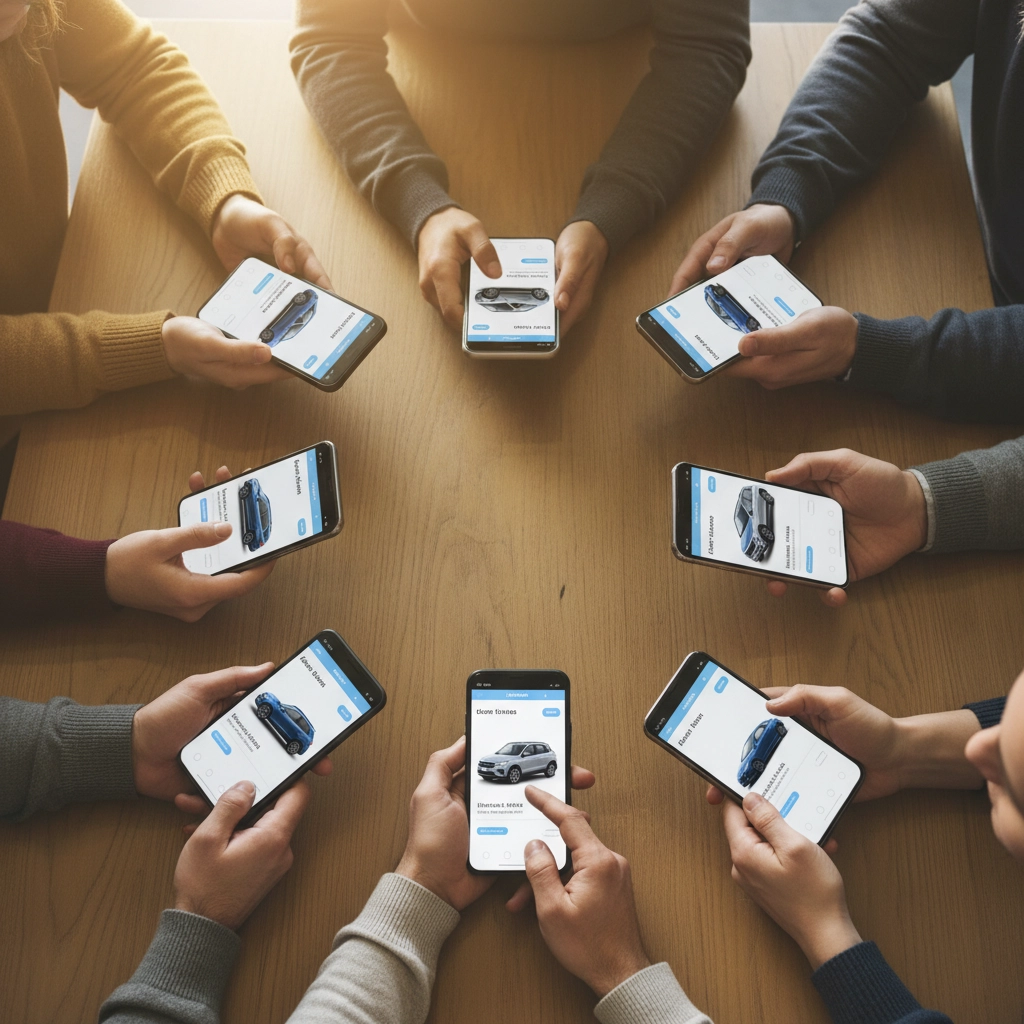
The speed factor is killer too. Mobile advertising can accelerate purchase decisions by 20%, which means faster sales and happier customers. When people get close to buying, their recall for mobile ads jumps 217%, they're not just browsing anymore, they're actively moving toward that "yes" moment.
The Economics Are Brutal (For Traditional Methods)
Here's where traditional car shopping gets a reality check. Digital marketing delivers an average profit of $2,514 per vehicle sale, compared to just $1,702 from traditional media like TV and radio spots.
The cost difference is even more shocking. It takes only $150 in digital marketing to sell one car, versus $1,581 in traditional advertising. That's not a typo, dealers using only traditional methods are literally paying 10 times more to reach the same customers.
Think about it from a buyer's perspective too. 95% of vehicle buyers start their research online, and twice as many begin their journey on a website versus walking into a dealership. The writing's on the wall, or should we say, on the screen.
But Here's the Plot Twist
Despite mobile's dominance, something fascinating is happening. The dealers crushing it in 2025 aren't abandoning their showrooms, they're reimagining how digital and physical experiences work together.
53% of people will bounce from a mobile site that takes longer than 3 seconds to load. But once they find what they want, 61% won't return if they had a bad mobile experience. The stakes are that high.
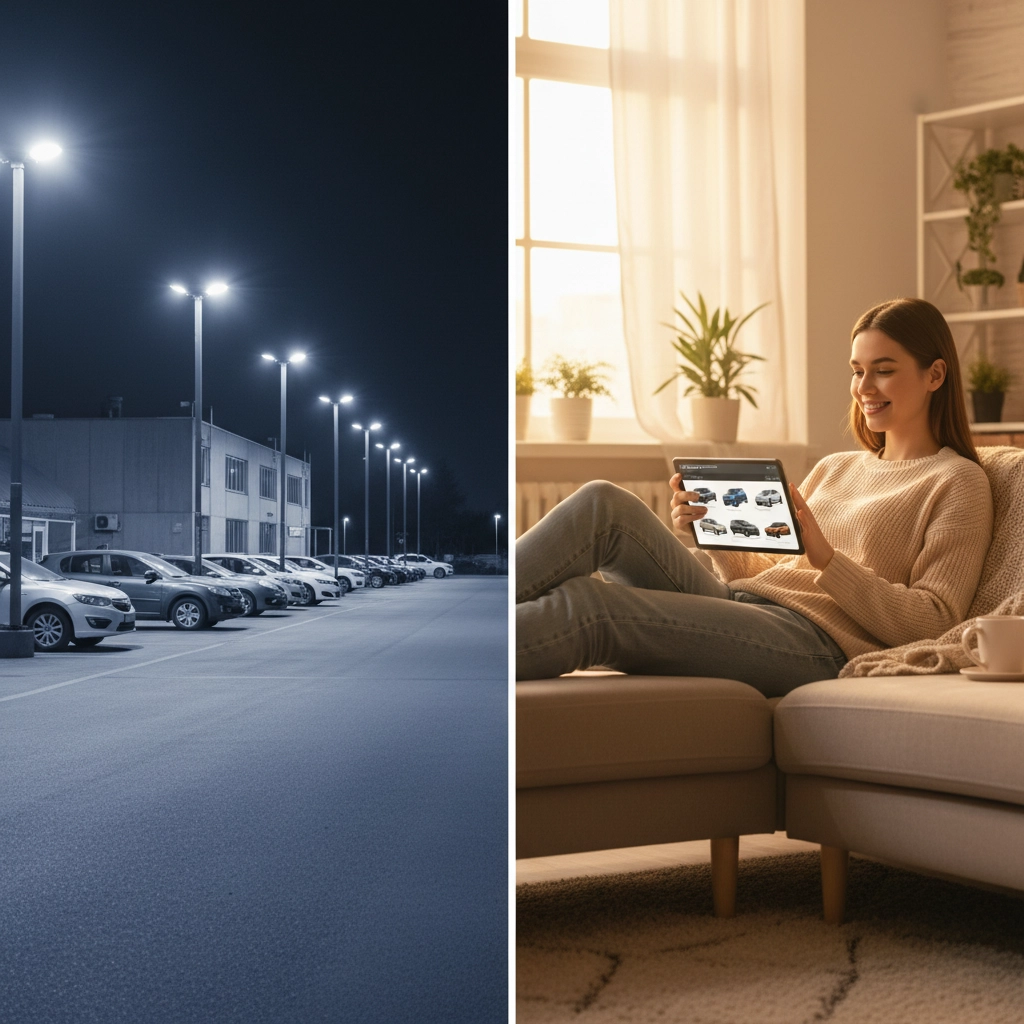
The smartest dealers are creating what we call "fluid experiences", where customers can research on mobile, get matched with perfect vehicles through AI, and then seamlessly transition to human interaction when they're ready to make it official.
This is where platforms like Whips come in. Instead of forcing customers to choose between digital efficiency and human expertise, we're building bridges. Our AI handles the heavy lifting of matching buyers with their ideal vehicles, while dealers focus on what they do best, closing deals and building relationships.
The Hybrid Advantage (Yes, That's a Car Pun)
Speaking of hybrids, there's a beautiful parallel happening in 2025. Hybrid vehicle sales surged 36% in Q2, now capturing 22% of all new light-duty vehicle sales.
Just like hybrid cars combine gas and electric power for the best of both worlds, hybrid shopping experiences are winning because they eliminate the either/or anxiety. Customers get the convenience of mobile research with the confidence of human expertise when it matters most.
The data backs this up. Integrated campaigns that combine multiple touchpoints: like pairing mobile-optimized listings with strategic human follow-up: drive conversion rates five times higher than traditional methods alone.
Why Speed Still Matters
Mobile users are impatient, and rightfully so. In a world where you can order dinner, book travel, and manage your finances with a few taps, waiting around for slow car shopping experiences feels prehistoric.
Google has shifted to mobile-first indexing, meaning if your car shopping platform isn't optimized for mobile, you're literally invisible to potential buyers. This isn't just about user preference anymore: it's about basic discoverability.
The automotive industry is achieving 14.67% conversion rates for digital advertising, making it one of the highest-converting sectors online. But here's the kicker: most of those conversions start on mobile and finish with human interaction.
The Whips Difference
This is exactly why we built Whips the way we did. We're not trying to replace dealerships: we're making them more efficient. Our AI-powered matching system handles the time-consuming research phase that customers love doing on mobile, while dealers get warm, qualified leads who are already excited about specific vehicles.
Think of it this way: instead of casting a wide net and hoping for the best, dealers using Whips get customers who've already been matched with vehicles they actually want. The mobile experience brings people to the party, but the human expertise closes the deal.
The 2025 Reality Check
Here's what we're seeing across our dealer network: 95% of initial car research happens on mobile devices, with 70% of purchase decisions made before customers ever touch a desktop computer. But: and this is important: the final transaction still benefits from human guidance.
The most successful dealers aren't fighting this trend. They're embracing it by creating seamless handoffs between digital discovery and personal service. Customers get the speed and convenience they expect, plus the expertise and reassurance they need for big purchases.
What This Means for Everyone
For car buyers: expect shopping to get faster, more personalized, and less frustrating. AI matching means you'll see vehicles you actually care about, not just whatever's on the lot.
For dealers: the ones who adapt fastest will dominate. Mobile-first experiences aren't optional anymore: they're the price of entry. But the winners won't just digitize everything; they'll use technology to make human interaction more valuable.
The future isn't mobile OR traditional. It's the perfect marriage of both, designed around what customers actually want: control over their research, confidence in their choices, and efficiency in their transactions.
Just like hybrid vehicles found the sweet spot between gas and electric, hybrid car shopping has found the sweet spot between digital convenience and human expertise. And in 2025, that combination is converting better than anything we've seen before.
Comments