.png)
Mobile-First Car Shopping vs Traditional Dealership Visits: Which Converts Better in 2025?

You're scrolling through your phone during lunch break, casually browsing cars. Within minutes, you've shortlisted three vehicles, checked financing options, and booked a test drive: all without stepping foot on a lot. Meanwhile, your colleague spent his entire Saturday driving between dealerships, only to find the car he wanted wasn't even in stock.
Welcome to 2025, where the battle between mobile-first car shopping and traditional dealership visits has a clear winner. And the numbers don't lie.
The Mobile Revolution Has Already Won
Here's the reality check: 95% of car shoppers now rely on online resources to gather information before making any purchase decisions. That traditional image of wandering onto a car lot on a whim? It's practically extinct.
Mobile devices have become the primary gateway to automotive purchases, with smartphones accounting for 1 out of every 2 Google searches related to automobiles. Even more telling? Mobile query volume has surged 51% year-over-year, showing this isn't just a trend: it's a fundamental shift in buying behavior.

But here's where it gets interesting: mobile-first doesn't just change how people research cars: it completely transforms how they convert into buyers.
Speed Kills (The Competition)
When we talk conversion rates, mobile-initiated customer journeys absolutely crush traditional approaches. Callers who contact dealerships after mobile searches convert 30% faster than traditional web leads. Think about that: nearly one-third faster from first contact to signed paperwork.
The retention story is even more compelling. Mobile-generated customers show a 28% higher retention rate compared to other lead sources. These aren't just quick sales; they're building more loyal, profitable relationships over time.
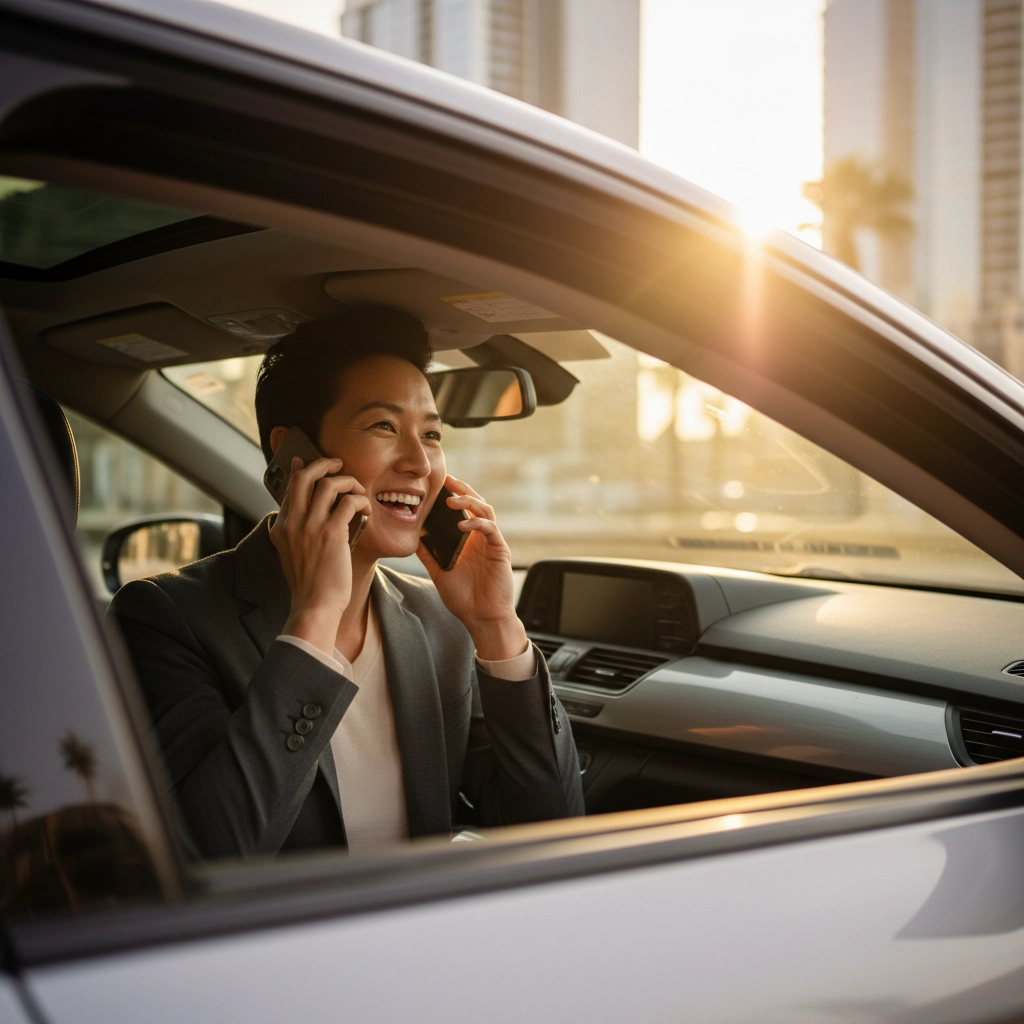
61% of car shoppers contact dealerships by calling after conducting mobile searches. Another 60% would call directly from search ad call extensions. This creates compressed sales cycles that favor dealerships optimized for mobile engagement over those stuck in traditional models.
The Immediacy Factor
Traditional car shopping operates on "someday" timelines. Mobile shopping operates on "today" timelines.
An impressive 78% of mobile local searches result in business visits within 24 hours. When someone searches for cars on their phone, they're not just browsing: they're actively shopping. This urgency translates directly into higher conversion rates and faster deal closure.
Compare this to traditional dealership visits, where customers often need to plan their weekend, coordinate schedules, and mentally prepare for the "dealership experience." Mobile-first customers show up already educated, motivated, and ready to buy.
The Technical Reality Check
Mobile-first success isn't automatic: it requires technical excellence. The bar is unforgivingly high:
53% of users will abandon a mobile site that takes longer than 3 seconds to load
61% of users are unlikely to return to a site if they had trouble accessing it on mobile
40% will immediately visit a competitor's site instead
These aren't just user experience metrics: they're conversion killers. A slow-loading mobile site doesn't just annoy customers; it sends them directly to your competitors.
Traditional Dealerships: Fighting an Uphill Battle
Traditional dealership visits have improved significantly. Customer satisfaction has increased to 73% compared to 67% in 2016, and the shopping process has become more efficient, shaving 4 hours off the typical car-buying journey.
Modern dealerships have largely moved beyond the stereotypical high-pressure sales tactics and guarded information. Today's dealership experience is more transparent and customer-friendly than ever before.
But here's the fundamental problem: traditional dealerships are competing for customers who have already made up their minds through digital channels. With 95% of initial car research happening on mobile devices, customers arrive at dealerships already informed and having narrowed their choices significantly.

The Numbers Tell the Story
Let's break down the conversion metrics side by side:
Mobile-First Approach:
30% faster conversion than web leads
28% higher customer retention rate
78% visit dealerships within 24 hours of mobile search
84% of marketers report higher conversion rates with larger order values from phone calls
Traditional Dealership Visits:
Slower conversion due to scheduling and travel requirements
Standard retention baseline
Requires appointment scheduling, reducing spontaneous purchases
Only captures the 5% who bypass online research
The automotive industry achieves the highest digital advertising conversion rates across all industries at 14.67%: driven primarily by mobile-optimized campaigns.
When Each Approach Works Best
Mobile-first strategies dominate for customers who value convenience, thorough research, and control over their buying process. This approach excels for buyers looking to compress their decision timeline and those who prefer to be educated before engaging with salespeople.
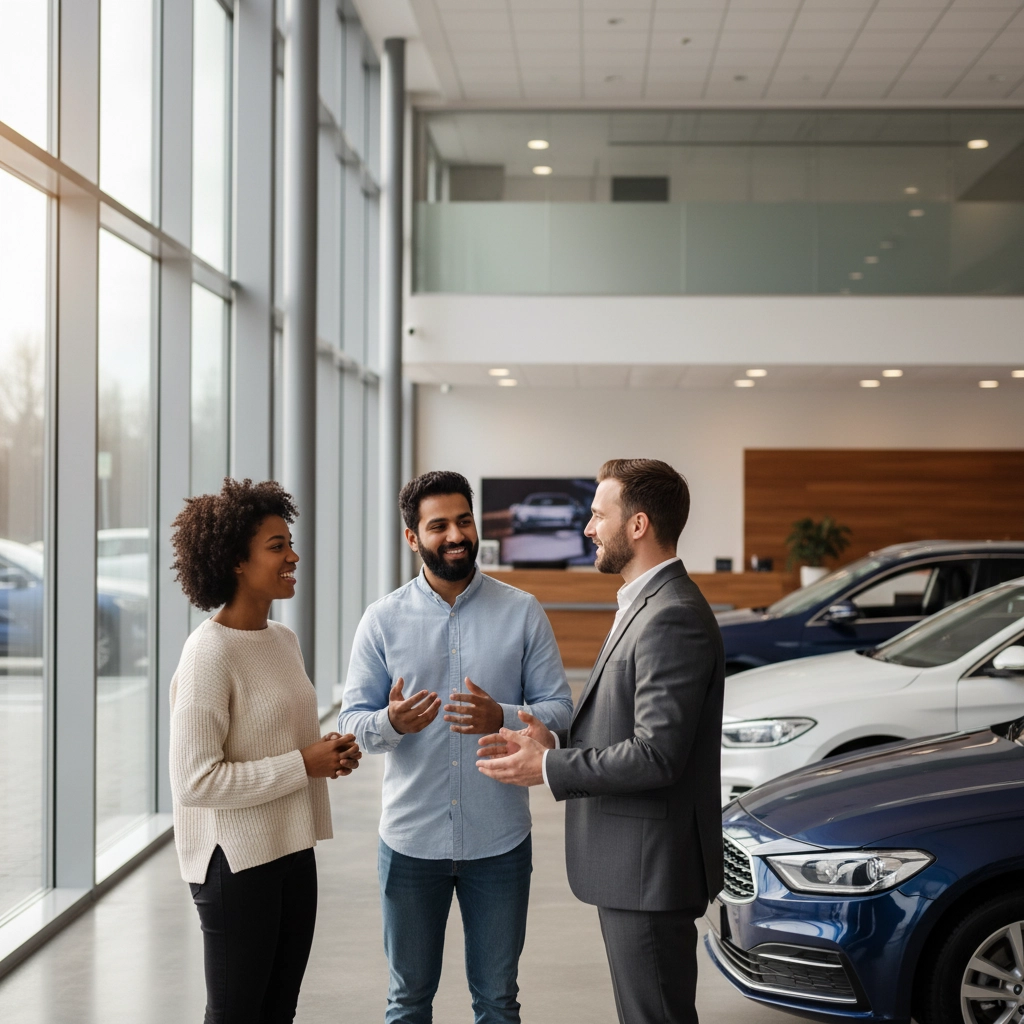
Traditional dealership visits still matter for customers requiring extensive test drives, those purchasing high-complexity vehicles (think luxury cars or commercial vehicles), or buyers who simply prefer face-to-face negotiations for major purchases.
The Winning Strategy: Mobile-First with Phone Bridge
Here's what the most successful operations understand: the highest conversion rates occur when mobile experiences seamlessly bridge to phone conversations, then transition to streamlined in-person experiences when needed.
57% of consumers call from search ad extensions specifically to schedule appointments. This creates a perfect funnel: mobile research → phone conversation → targeted dealership visit. No wasted time, no high-pressure environments, just efficient transactions.
Smart dealerships in 2025 don't choose between mobile-first and traditional approaches: they integrate both strategically. They capture mobile-initiated leads, nurture them through phone conversations (where most first contact happens), and provide streamlined in-person experiences for customers who need them.
Looking Forward
By 2025, an estimated 95% of initial car research will happen on mobile devices, with 70% of purchase decisions influenced by mobile touchpoints. This isn't the future: it's happening right now.
The dealerships thriving in this environment have rebuilt their entire customer acquisition strategy around mobile-first experiences. They've optimized their sites for 3-second load times, trained their sales teams to handle mobile-educated customers, and created seamless transitions between digital research and in-person purchasing.
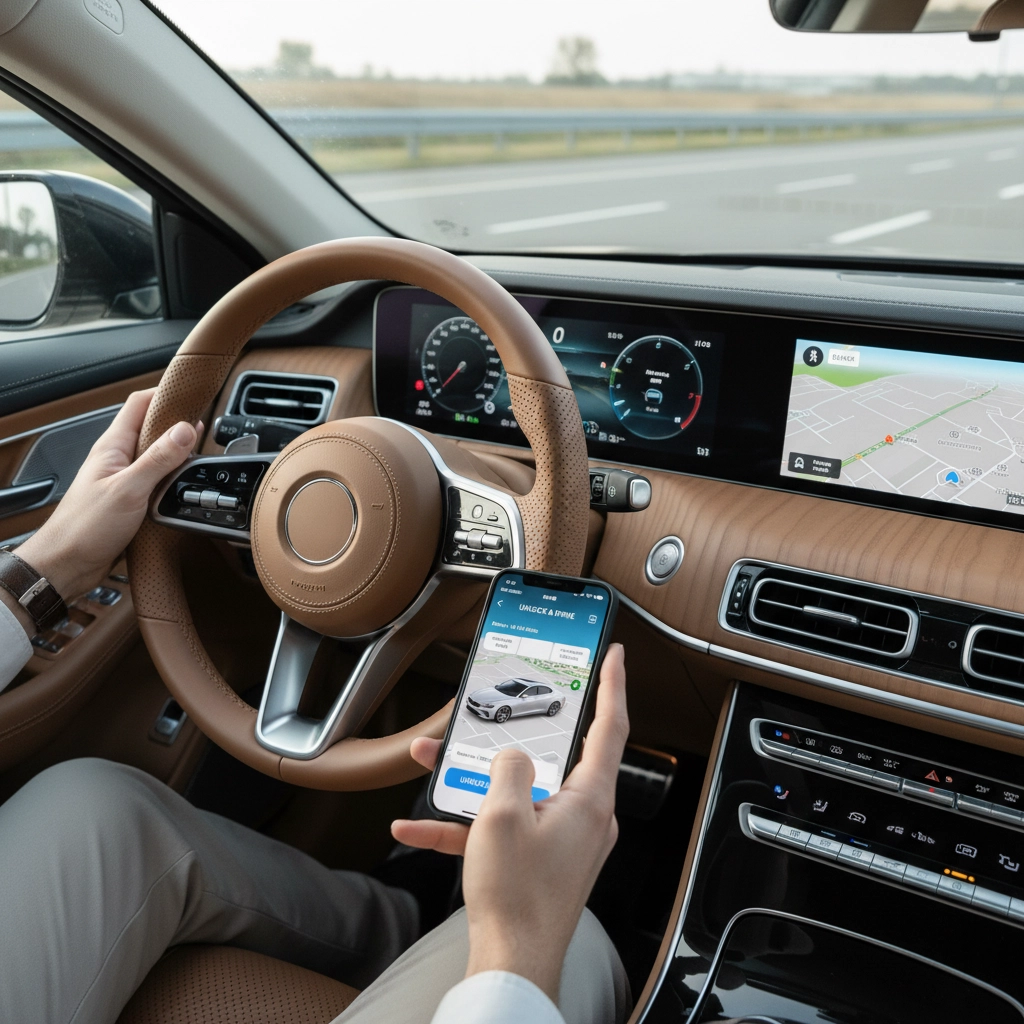
The verdict is clear: mobile-first car shopping doesn't just convert better in 2025: it's become the primary pathway to automotive purchases. Traditional dealership visits aren't disappearing, but they're becoming the final step in a journey that begins on a smartphone screen.
For car buyers, this means more control, better information, and faster transactions. For dealerships, it means adapting to where customers actually are, not where they used to be.
The future of car shopping isn't mobile-first or traditional: it's mobile-first leading to targeted, efficient traditional interactions when needed. And the conversion rates prove it.
Comments